


Alaska Statewide Freight Plan Update
Alaska Statewide Freight Plan Update
Keeping Alaska Connected
The Alaska Department of Transportation & Public Facilities (DOT&PF) is updating the Alaska Statewide Freight Plan. The plan will guide investments, policies, and strategies that support the safe, efficient, reliable, and cost-effective movement of goods throughout Alaska for the next 30 years.
Freight transportation affects every Alaskan. Food, fuel, medicine, construction materials, household goods, and other essential products all depend on a freight system that connects communities across the state and beyond.
What is a Freight Plan?
A freight plan identifies freight needs, challenges, opportunities, and priority investments that will help strengthen Alaska's freight system and support economic development statewide.
The plan evaluates how goods move across Alaska's transportation network, including:

Ports and Harbors

Airports and Air Cargo Facilities
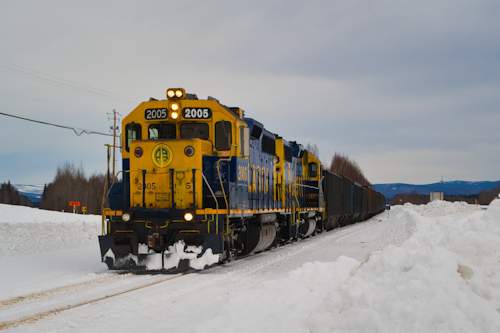
Rail Infrastructure

Ferries and Marine Transportation
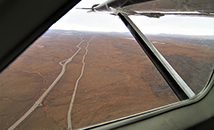
Pipelines
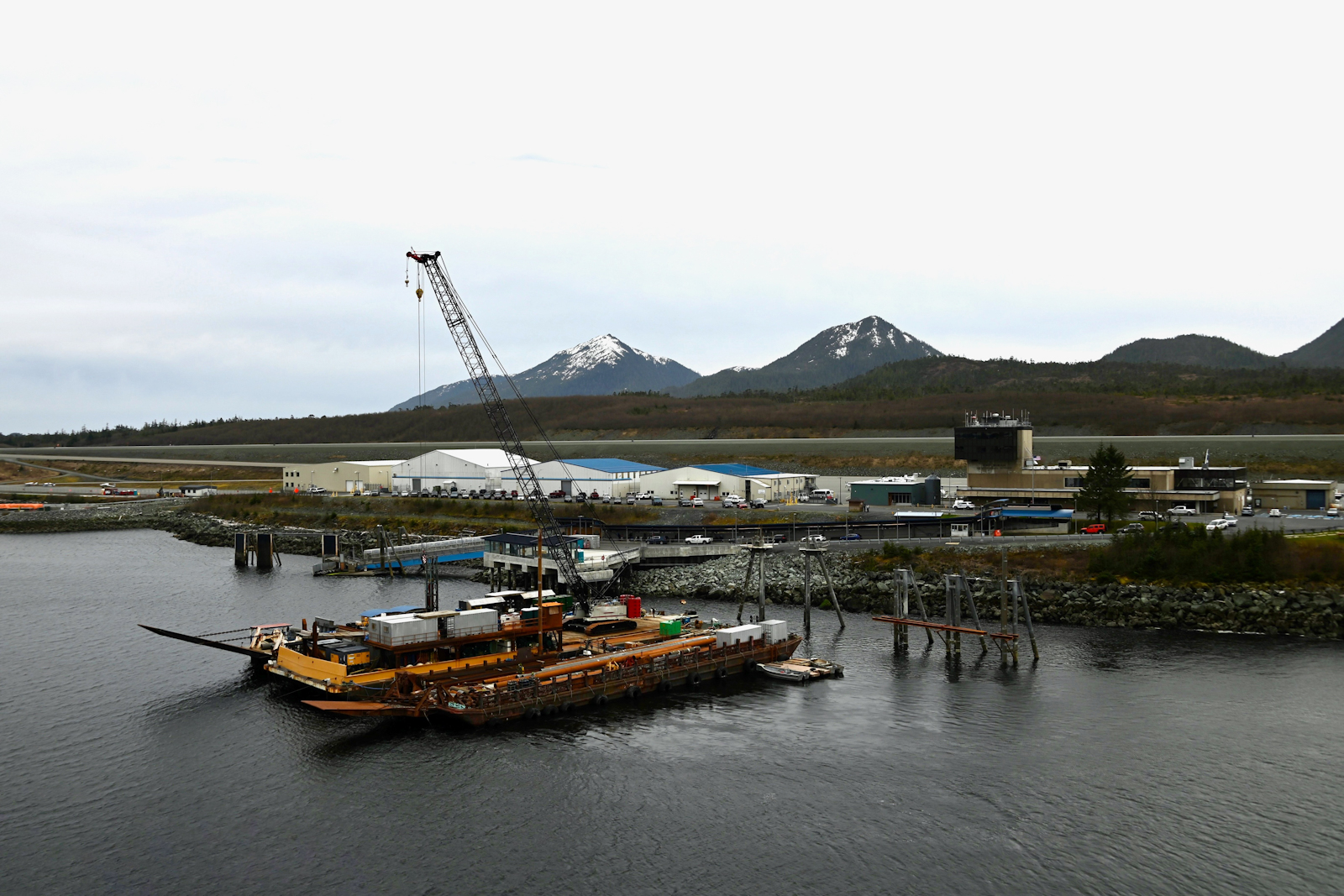
Intermodal Freight Connections
Why is this Update Important?

Maritime Network
6,640 miles
With the longest coastline of any U.S. state, Alaska’s maritime transportation is extremely important.
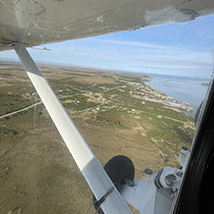
Communities Off the Road System
Roughly 82%
of Alaska communities are not connected to the road network and rely primarily on air or marine transportation.
Interconnected Supply Chains
90% within a 10-hour flight
Air connectivity gives Alaska access to a very large share of the global economy within a relatively short travel time.

Trans-Alaska Pipeline
800.3 Miles
Home to one of the world's most famous energy transportation systems, the Trans-Alaska Pipeline, one of the longest crude oil pipelines in North America.
Funding Eligibility
$18–$19M
Maintaining an approved State Freight Plan helps Alaska remain eligible for federal freight funding programs, of approximately $18 to $19 million a year.

Challenges
Iced roads are just the start
Extreme weather, natural hazards, aging infrastructure, workforce challenges, and rising shipping costs create ongoing challenges for moving goods throughout the state.
Port of Alaska
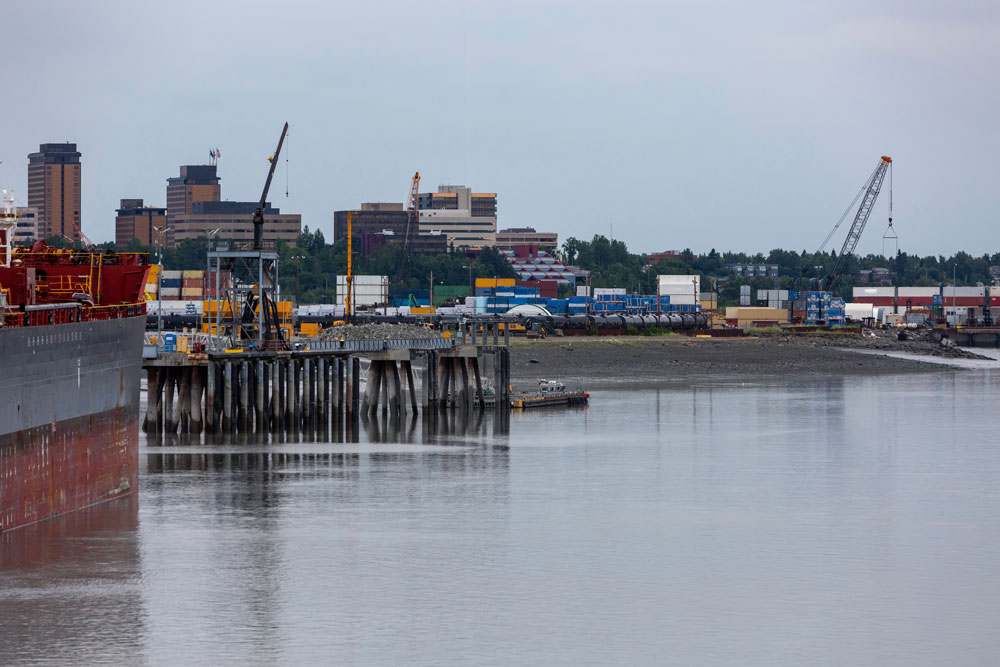
90% of consumer goods
Approximately 90% of consumer goods entering Alaska pass through the facility before being distributed to communities throughout the state.

Proposed LNG
Projects can shape freight needs
Proposed LNG development and other large-scale projects may influence future freight activity in Alaska. The Freight Plan Update will consider potential economic and infrastructure developments as part of evaluating long-term transportation and freight system needs.
Topics Being Evaluated
The plan will examine how goods move across Alaska and identify ways to improve the safety, reliability, and resilience of the state's freight network. The plan will evaluate current and future freight needs, transportation challenges, investment opportunities, and strategies to keep people and communities connected during emergencies, extreme weather, and other disruptions.
The Freight Plan Update will examine:
How Can You Participate?
DOT&PF wants to hear from freight system users and interested parties across Alaska, including:
Who DOT&PF Wants to Hear From
- Alaska Native Tribes and Corporations
- Local governments and municipal associations
- Freight carriers and logistics providers
- Port, airport, and rail operators
- Business and industry groups
- Shippers and receivers
- Metropolitan Planning Organizations (MPOs)
- Economic development organizations
- Community organizations
- Residents
Opportunities for Participation
- Surveys
- Strategic interviews
- Focus group meetings
- Public meetings
- Review of draft plan materials
- Email and other online comment opportunities
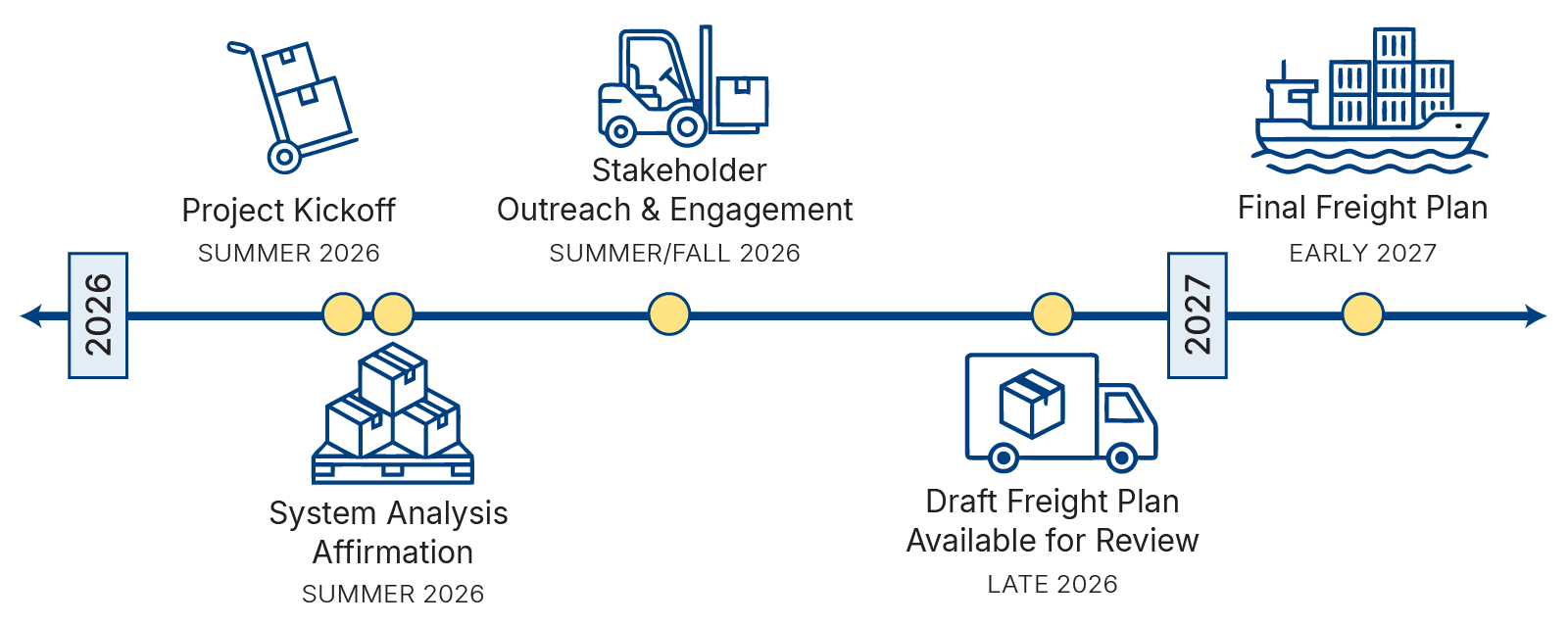
Anticipated Schedule
| Milestone | Timing |
|---|---|
| Existing Conditions Report (completed under separate contract) | Winter 2025 |
| Project Kickoff | Summer 2026 |
| System Analysis Affirmation | Summer 2026 |
| Stakeholder Outreach & Engagement | Summer/Fall 2026 |
| Plan Strategic Directions | Fall 2026 |
| Draft Freight Plan Available for Review | Late 2026 |
| Final Freight Plan | Early 2027 |